due diligence
Derisk your environmental portfolio with multi-level due diligence
Leverage automated screening, analyst-led due diligence, and geospatial insights to gain a deep, objective view of risk on projects you’re evaluating. We deliver third party assurance calibrated to your programme’s due diligence requirements.
Trusted by leading organisations




Tiered to match your risk appetite

why abatable
Unbiased risk assessments delivered by market experts
Our team draws on 18,000+ tracked projects, years of structured RFP data, and direct transaction experience to assess risk across five dimensions. With no inventory and no supplier relationships to manage, our analysts focus on one thing: giving you a complete, honest picture of what you're buying.
Conflict-free by design
We don't hold project credits, take ownership stakes, or earn fees from suppliers. Every assessment we produce is paid for by clients alone. That means when we identify a risk, we report it honestly and completely, and hold no interest in steering you towards any particular project.
Analytical rigour, informed by real experience
Our team has over 60 years cumulatively in the VCM and has facilitated over 55 million tonnes of carbon transactions, which gives us a commercial lens that traditional research organisations simply don't have. We understand how risks materialise at the deal level, where contracts fall apart, and what scrutiny your portfolio will face over time.
Due diligence scaled to your transaction
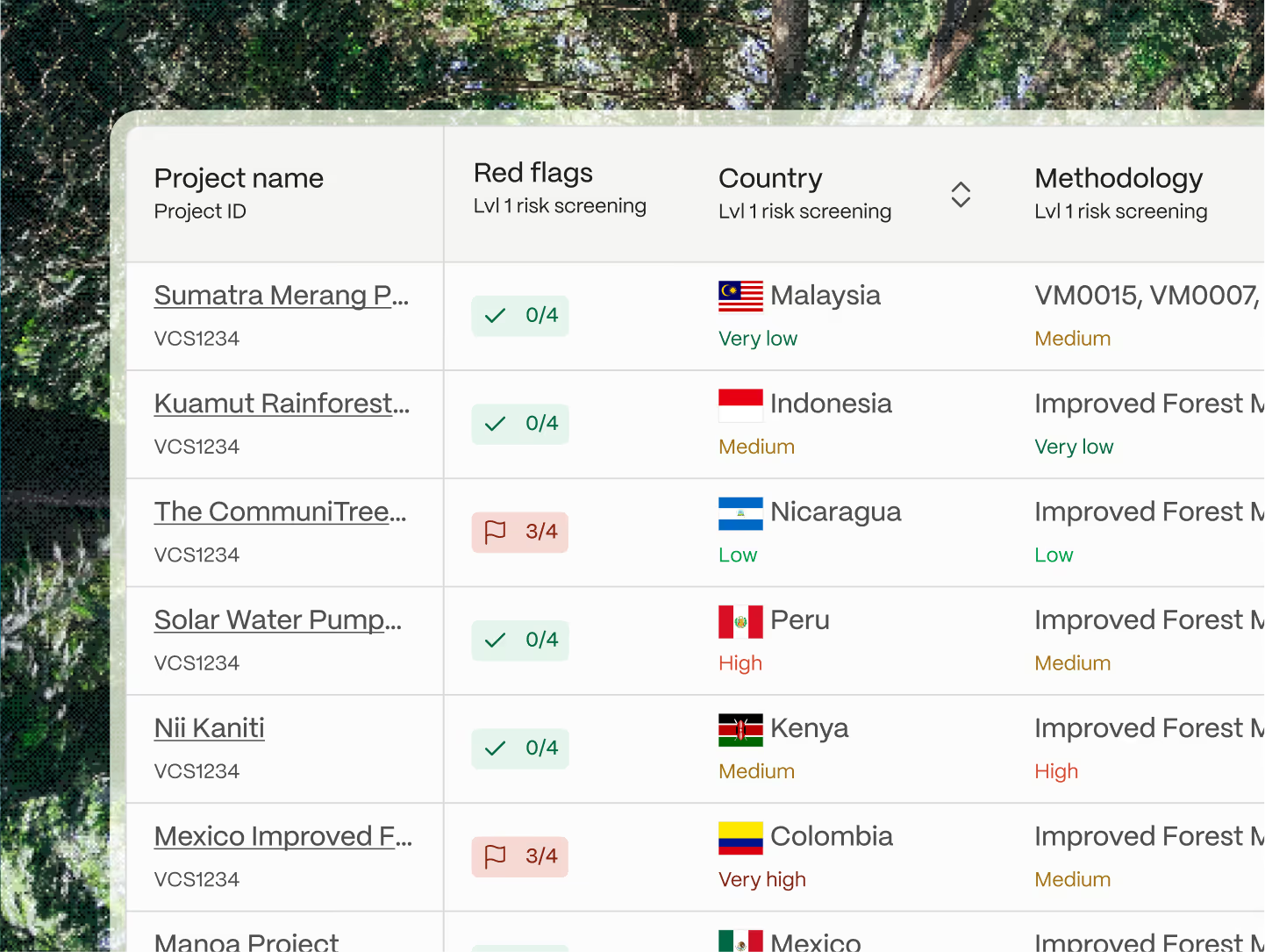
Not every transaction warrants the same depth of analysis. Our tiered framework lets you match the level of diligence to the size and complexity of what you're buying, whether that's a rapid automated screen of 200 proposals or an on-site assessment for a ten-year offtake agreement.
Market intelligence aggregated from years of experience
Our database spans 18,000+ projects, 23 registries, and years of RFP submissions, giving our analysts benchmarks and context that aren't publicly available. When we assess a developer's track record or a methodology's issuance history, we're drawing on data we've built, not borrowed.
Hours saved for each due diligence report
Projects covered with risk based analytics
Criteria assessed across core risk pillars

Customer story
A.P. Moller Capital accelerates due diligence with Abatable
A.P. Moller capital engaged Abatable as an extension of their team to assess RFP proposals and shortlist projects as part of their process to identify the best options for their carbon credit programme.
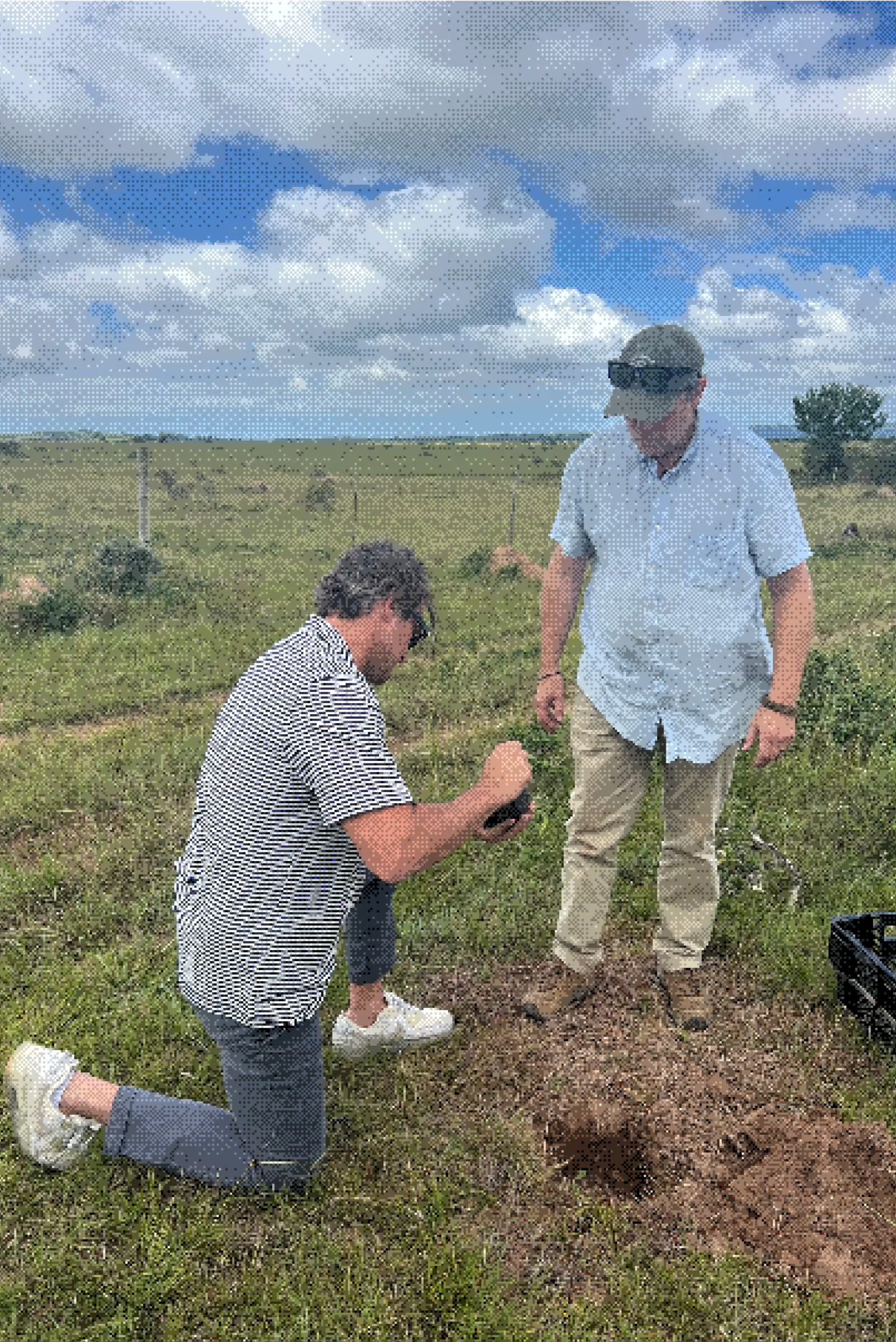
Services provided
- Assess spot and forward purchases
- Risk screening for shortlisting
- Customised forward risk and due diligence framework
- In-person monitoring and site visits
- Ongoing portfolio risk management and monitoring


Complement your due diligence process with us



Get third-party assurance today
Talk to our team and find out how Abatable's Due diligence framework can support your next transaction.

Frequently asked questions
Can you assess a project that hasn't been rated by a third-party?
Yes. Many high-value projects carry no public rating at all, which can rule them out of a buyer's process by default. Because our framework applies to any project where you know the country, developer, and methodology, we can assess unrated projects and open up more competitive options that others would overlook.
How do I know a project on the ground matches what its documents claim?
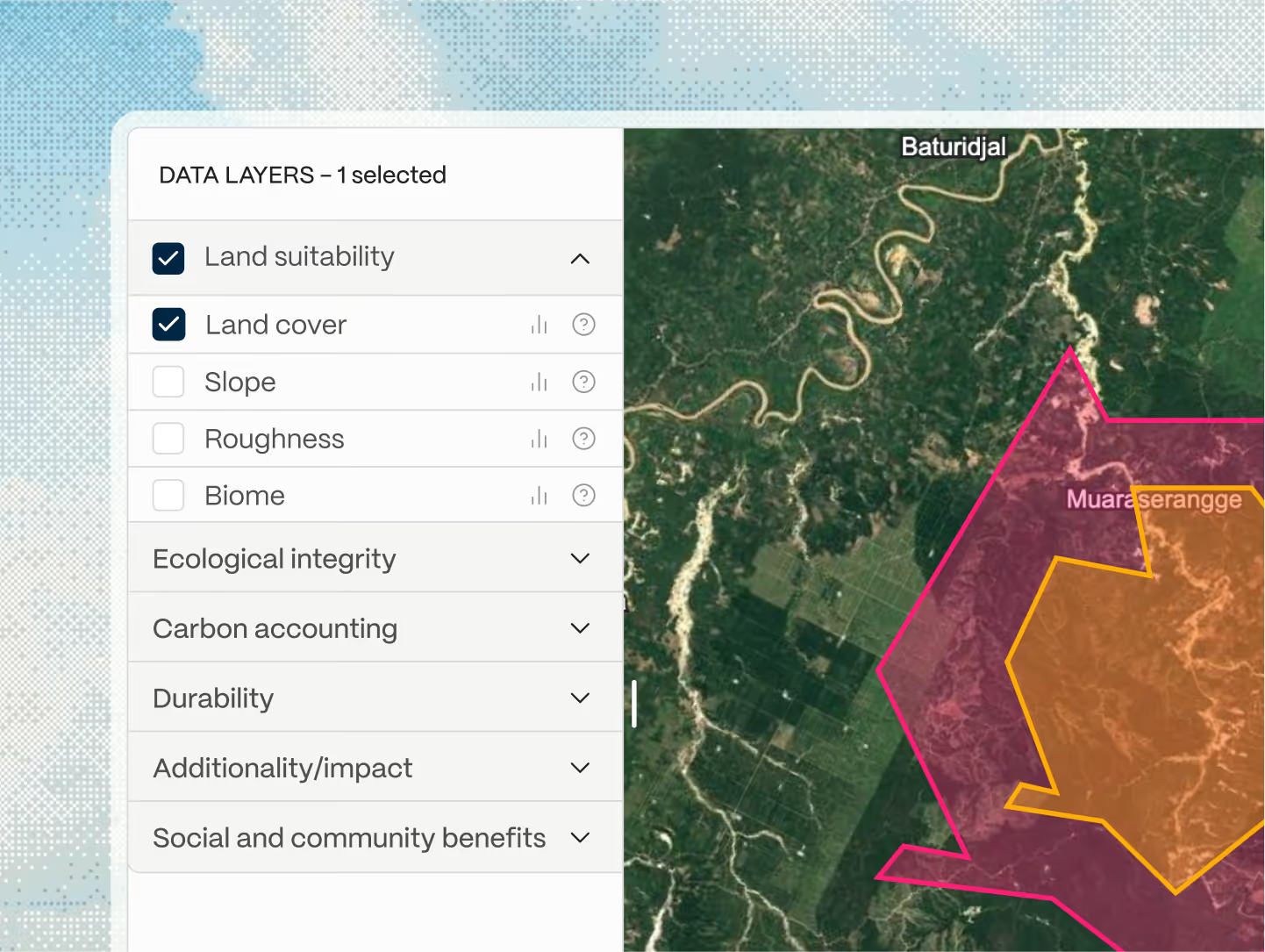
Project documentation tells you what a supplier intends, not always what has happened. Our Geo screening tool uses satellite data to check a project's physical characteristics, for example whether forest cover and land use line up with the claims in the project design document. It's a practical way to test a project before you commit, and to spot issues a paper review would miss.
How do I make sure the depth of analysis matches the size of the deal?
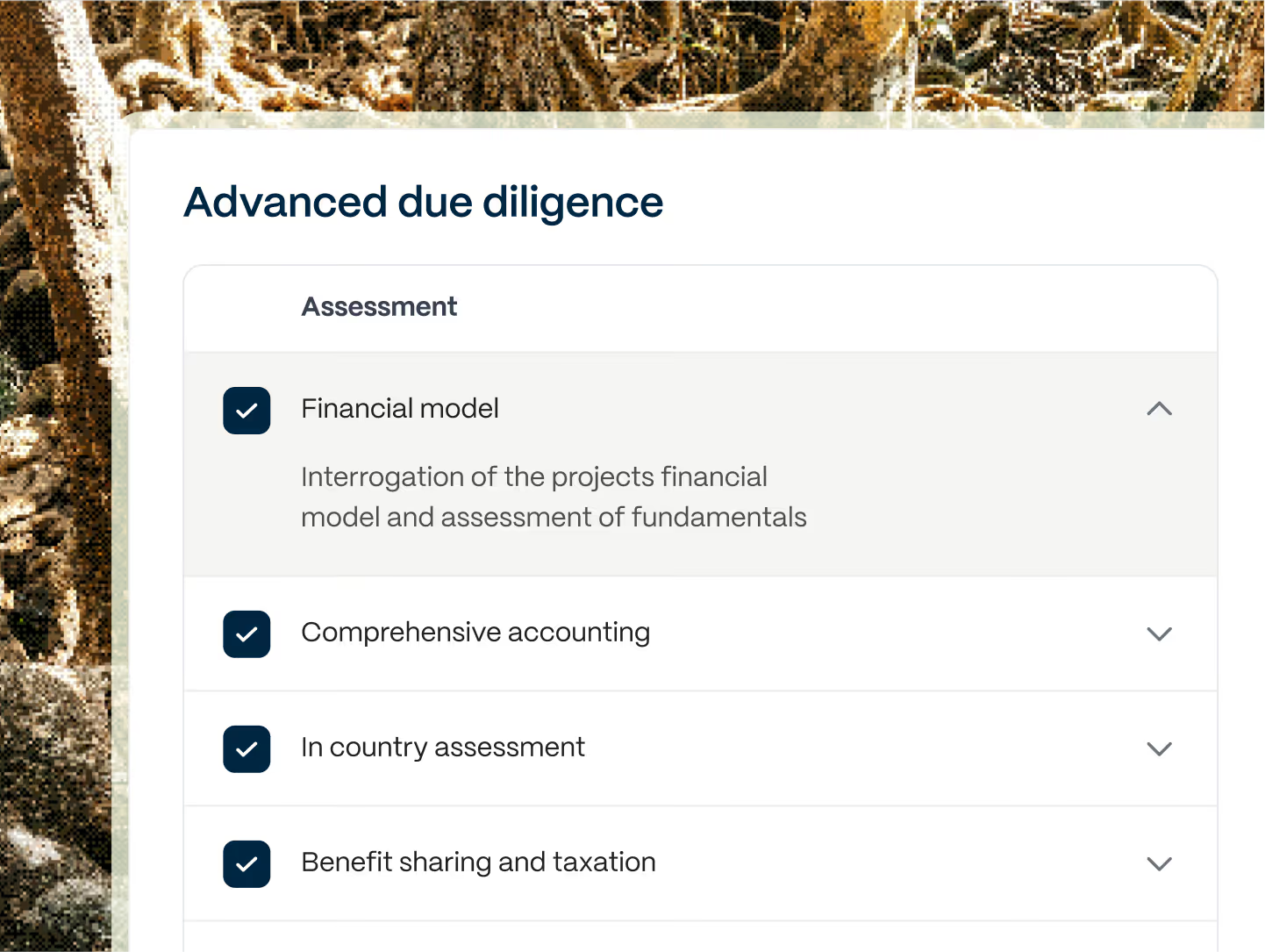
We offer three due diligence levels, and each one builds on the last. Level 1 is a fast, high-level screen that flags red flags early and helps you narrow a shortlist. Level 2 is a desk-based assessment of a project's environmental integrity, covering additionality, greenhouse gas accounting, permanence, external risks, and co-benefits. Level 3 is an in-depth, investment-grade review, including interviews, data room access, and site visits where needed.You can match the work to the transaction rather than paying for more analysis than you need.
What does your due diligence actually cover?
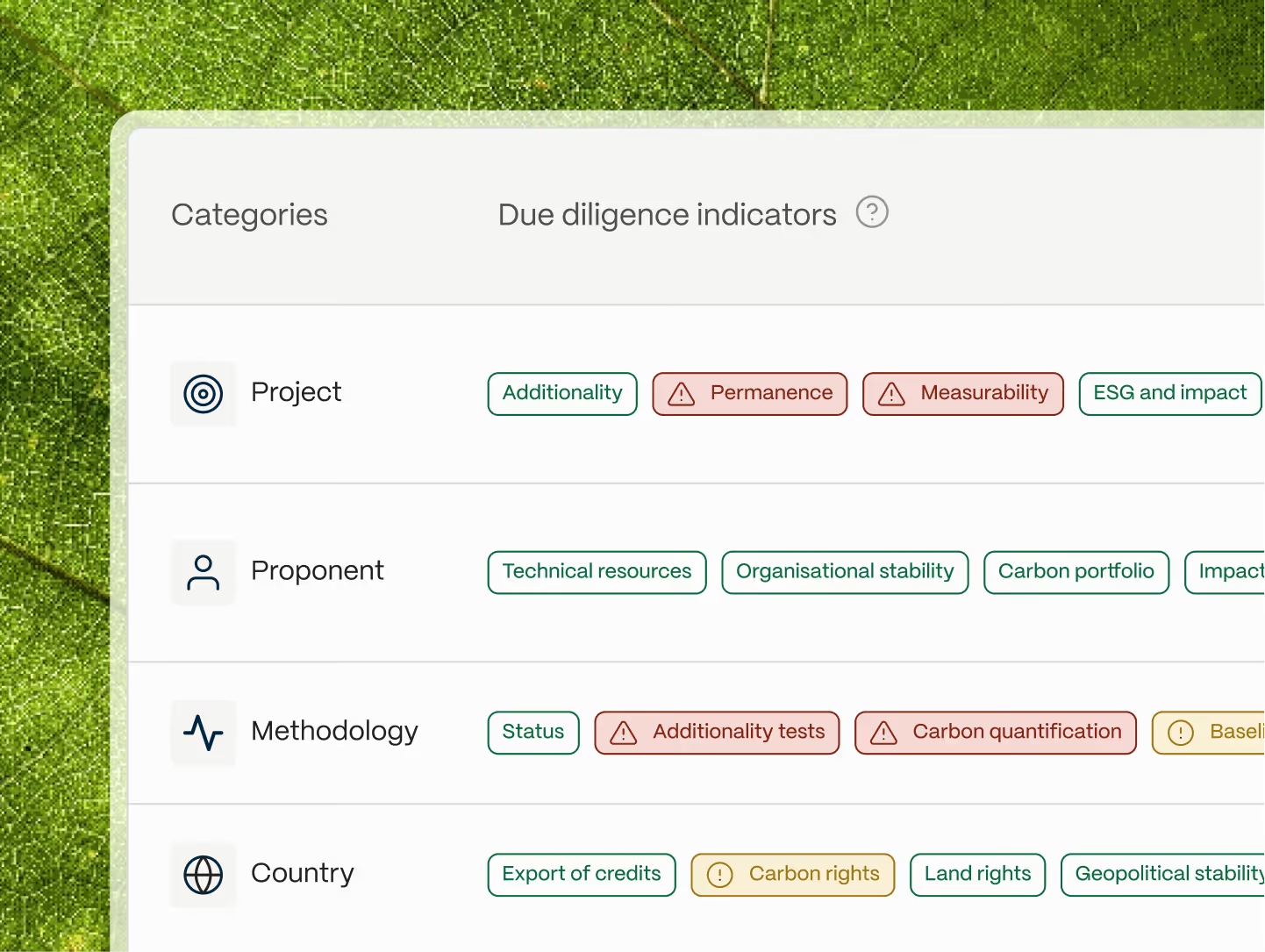
We assess a project across five areas: the project itself, the policy environment in the host country, the methodology behind the credits, the developer's track record, and market conditions. Looking at the same areas every time keeps our findings consistent and comparable, whether you're weighing up a cookstoves project in one country or a forestry project in another.
Why do you identify risks rather than give a project a quality score?
Quality is subjective and hard to compare across very different project types and countries. Risk is measurable. We flag specific, structured risks so you can weigh them against your own risk appetite and make the call yourself. Every finding is backed by its data sources and our analysts' reasoning, so you can audit how we reached a conclusion and justify the decision internally.
How do I know I can trust Abatable’s due diligence?
Often environmental market due diligence comes from organisations that are paid by suppliers to cover them, opening up potential for misaligned incentives. We work differently. We hold no project inventory, take no ownership stakes, and we're paid only by our clients, never by suppliers. That means our findings reflect the risks in a project, and nothing else. You get a genuinely independent view, much like having your own analyst on the team.
What happens after I've bought? How do I protect the portfolio over time?
Buying well is only half the job. Risks can emerge after purchase, from policy shifts to changes on the ground, so we can monitor projects over time and alert you to issues that affect credits you already hold. That keeps your portfolio protected well beyond the point of sale.